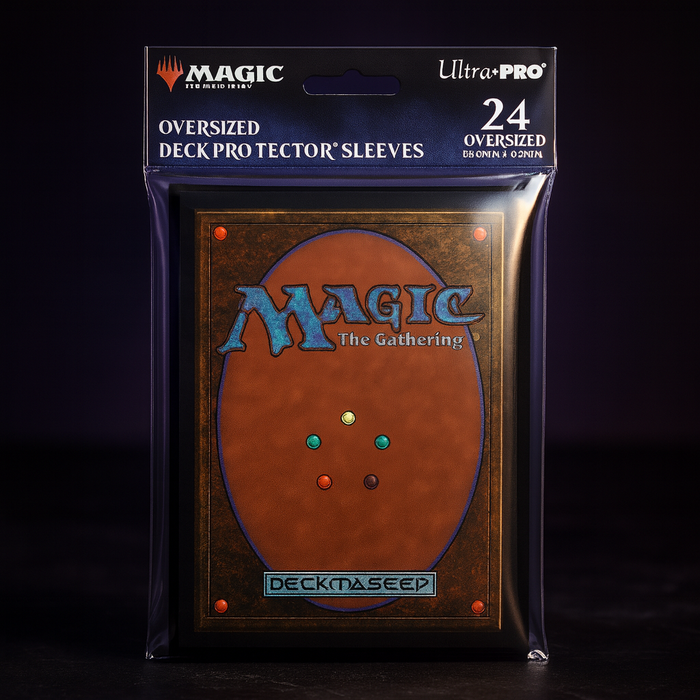
Ultra Pro Oversized Commander MTG Card Sleeves 24ct
See price on Amazon
 Buy on Amazon
Buy on Amazon
Buy on Amazon
Buy on Amazon
Buy on Amazon
Buy on Amazon
Buy on Amazon
Buy on Amazon
Buy on Amazon
Buy on Amazon
Buy on Amazon
Buy on Amazon
Buy on Amazon
Buy on Amazon
Buy on AmazonEvery serious trading card game player learns the same lesson eventually, and usually the hard way. A pristine card slides out of a booster pack, catches the light with that crisp factory finish, and then a fingerprint, a corner ding, or a splash of soda erases its value in a heartbeat. Card sleeves exist to make sure that never happens. Whether you are building a competitive tournament deck, protecting a chase card worth hundreds of dollars, or simply keeping a beloved playset in mint condition, the right sleeves turn fragile cardboard into a durable, shufflable, table-ready collection. This is the category where protection meets performance, and choosing well makes the difference between cards that last a lifetime and cards that quietly lose their shine.
Our card sleeves range brings together the sizes, finishes, and quality tiers that dedicated players actually reach for. From ultra clear penny sleeves to premium matte deck sleeves engineered for smooth shuffling, this collection is built to cover every format and every level of play. Below you will find everything you need to know to sleeve up with confidence, and once you have the fundamentals down, our full best card sleeves guide goes even deeper into brand comparisons and long term care.
The single most important thing to understand before you buy is card size, because a sleeve that fits one game may be useless for another. There are two dominant categories in the hobby, and getting them mixed up is the most common rookie mistake.
Standard size sleeves measure roughly 66 by 91 millimeters and are designed for the majority of Western trading card games. If you play Magic: The Gathering, Lorcana, Flesh and Blood, or any game printed at the classic poker card dimension, standard sleeves are what you need. They are the workhorse of the hobby, available in every finish and color imaginable, and they form the backbone of most players' collections.
Japanese size sleeves, sometimes called small size or yugioh size sleeves, measure approximately 59 by 86 millimeters. These are made for cards that are physically smaller, most notably Pokemon and Yu-Gi-Oh. Slipping a Japanese card into a standard sleeve leaves it swimming in extra space, sliding around and picking up damage against the edges. Using the correct size gives you a snug, secure fit that hugs the card and eliminates that loose rattle. Always confirm which size your game requires before ordering, and when in doubt, measure a card you already own.
Once you have the size sorted, the next decision is finish, and this is where personal preference and playstyle come into play. The two main options are matte and glossy, and each has a distinct feel at the table.
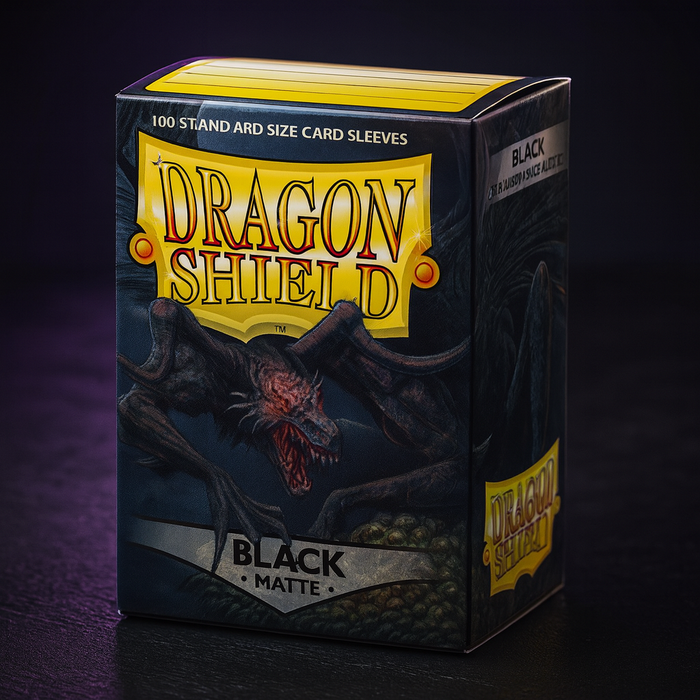
Matte sleeves have a textured, non reflective back that cuts down on glare under bright lighting. Tournament players tend to favor matte for a very practical reason: they shuffle beautifully. The slight texture keeps sleeves from sticking together or fanning out unpredictably, which means smoother riffles, mash shuffles, and pile shuffles with far less clumping. Matte finishes also photograph well and reduce the mirror like reflections that can reveal your hand to an observant opponent. If you shuffle constantly and value control, matte is usually the way to go.
Glossy sleeves carry a smooth, shiny surface that lets cards slide in and out with almost no friction. They tend to be a touch more affordable and offer a bright, clean look that shows off artwork with vivid clarity. The tradeoff is that glossy sleeves can stick together during shuffling and are more prone to catching light and glare. For casual play, deck display, or collectors who prioritize visual pop over shuffle feel, glossy sleeves are a fine and budget friendly choice.
There is no universally correct answer here. Many players keep both on hand: matte for their tournament decks and glossy for casual builds or binder rotation. The good news is that this collection carries both, so you can experiment and find what suits your grip.
When a card is genuinely valuable, whether it is a graded candidate, an expensive staple, or a piece of sentimental history, a single sleeve may not feel like enough. Enter double sleeving, the technique competitive and high stakes players use to armor their most important cards.
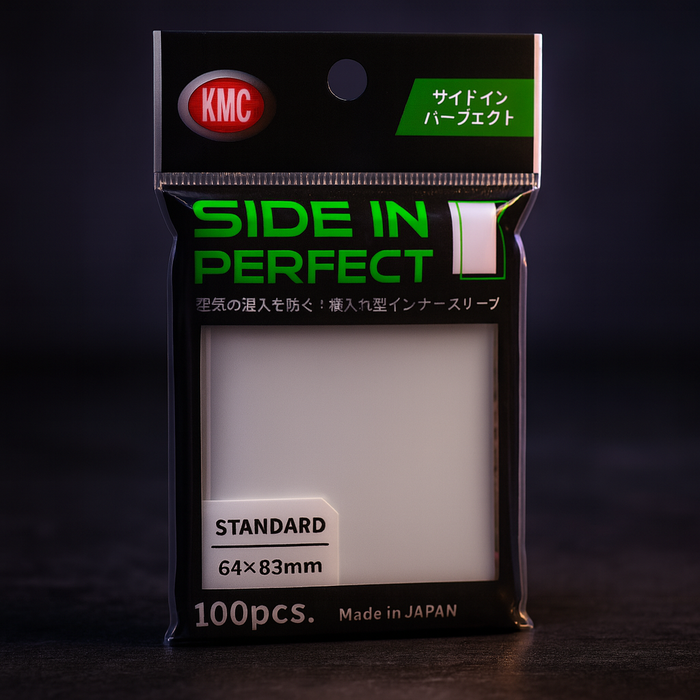
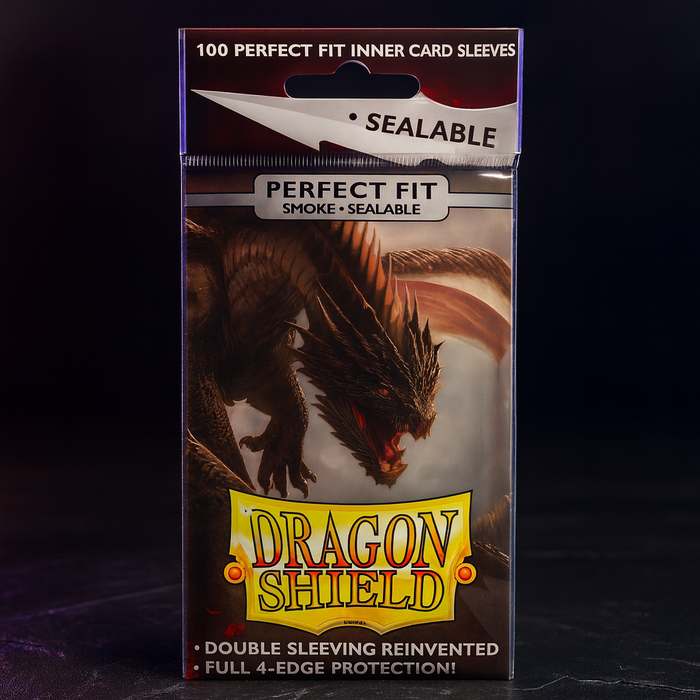
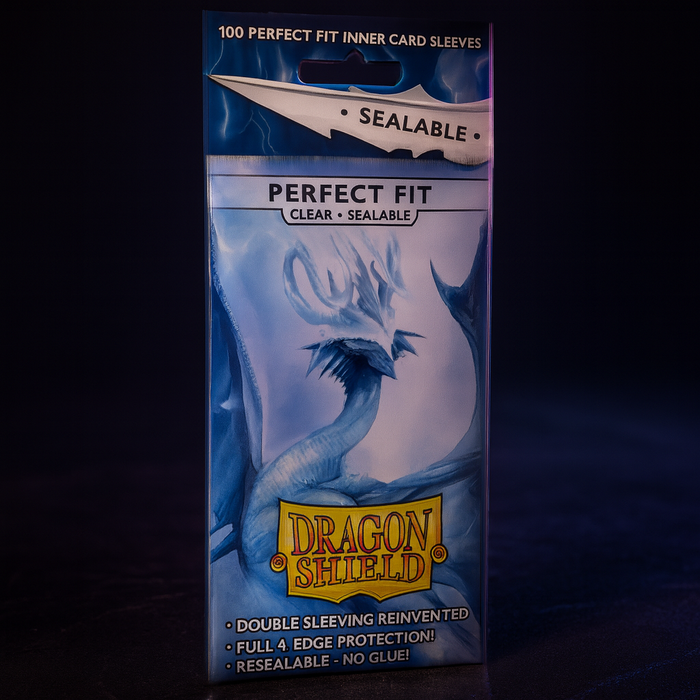
Double sleeving works in two stages. First, the card goes into a tight, clear inner sleeve, often called a perfect fit sleeve, oriented so the opening faces sideways or downward. This inner layer seals the card against dust, moisture, and the dreaded corner slide. Then the already sleeved card drops into a standard outer sleeve, usually a matte deck sleeve, with the opening at the top. The result is a fully enclosed card protected on every edge, with no single opening that dust or debris can sneak through.
The benefits are real. Double sleeved cards resist bending, shuffle wear, and liquid damage far better than single sleeved ones, and the doubled thickness gives shuffling a satisfying, substantial feel. The tradeoff is bulk. A double sleeved deck takes up noticeably more space, so you will want a roomy home for it. If you plan to double sleeve a full deck, pair it with a properly sized deck box that accounts for the extra thickness, and browse our deck boxes selection for options built to hold sleeved and double sleeved decks alike.
Different games have different sleeving cultures, and understanding those norms helps you buy smart.
Magic: The Gathering is the format where sleeving is practically mandatory. Constructed decks get shuffled hundreds of times per session, and unsleeved cards develop wear that can mark them in a deck, a serious concern in sanctioned play. MTG players overwhelmingly use standard size matte sleeves in solid colors, and many double sleeve their most valuable pieces. Consistency matters too: every card in a competitive deck must share identical sleeves so none can be distinguished from the back.
Pokemon uses the Japanese small size, and the community places a heavy emphasis on protecting chase cards and full art rares. Collectors frequently double sleeve high value pulls before storing them, and tournament players sleeve their entire decks in matched Japanese size sleeves. Because Pokemon draws so many young collectors and investors, sleeve quality and clarity are prized, especially for cards headed toward grading.
Lorcana, Disney's fast growing trading card game, uses the standard size, making it compatible with the vast library of standard sleeves already on the market. As the game matures, competitive players are gravitating toward matte sleeves for reliable shuffling, while collectors sleeve their favorite character cards to preserve the gorgeous artwork the game is known for.
Whatever your game, the principle holds: match the size, pick a finish that fits your play, and never let a valuable card go naked.
Sleeves are the foundation, but they are one piece of a larger protection ecosystem. Cards that are actively played live in sleeves inside a deck box. Cards that are collected or set aside belong in dedicated storage that shields them from light, dust, and humidity over the long term. Thinking about your collection as a system rather than a pile of loose cards is what separates casual owners from serious hobbyists.
For the cards you are not playing right now, from bulk commons to sealed away treasures, explore our card storage options to keep everything organized and safe between sessions. A binder for your rares, a storage box for your bulk, a deck box for your active list, and quality sleeves throughout: that is the setup that keeps a collection pristine for years.
A quick word on quantity. A typical constructed deck runs between 40 and 100 cards depending on the game, so a single pack of sleeves often covers one deck with a few spares. But sleeves wear out. Corners split, backs scuff, and clarity fades with heavy use, so most active players re sleeve their tournament decks periodically to keep everything mint and uniform. Buying a little extra means you always have replacements on hand when a sleeve gives out mid season. If you double sleeve, remember you need roughly twice the count, since every card takes an inner and an outer.
Your cards represent time, money, and often years of collecting passion. Leaving them unprotected is a gamble that simply is not worth taking when quality sleeves cost so little compared to the cards they guard. Browse the full card sleeves collection above, match the right size and finish to your game, and give your collection the defense it deserves. Whether you are sleeving a single chase card or an entire tournament arsenal, the perfect sleeve is waiting right here. Add your sleeves to the cart today, and while you are at it, round out your setup with a deck box and storage solution so your cards stay flawless from the first shuffle to the last. Sleeve up, play hard, and never worry about wear again.