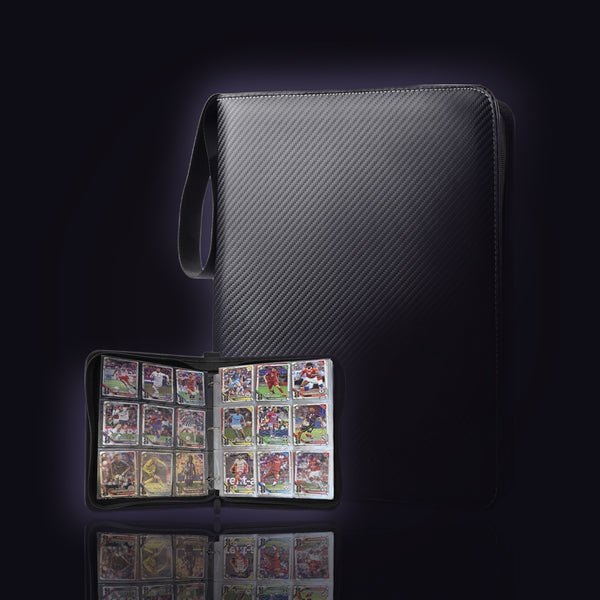
How To Choose The Right Pokemon Card Binder
A good pokemon card binder does more than hold cards. It keeps every pull flat, clean and easy to find, and it travels without spilling your collection across a bag. The right choice comes down to how many cards you own, how often you carry them, and how much protection your rarest cards need. Some collectors want a single archive that holds an entire set, while others want a slim book they can toss in a bag on the way to a trade night. Neither is wrong, but the wrong binder for your habits leads to bent corners, loose pages and cards that slip out at the worst moment. In this guide we break down eight strong options so you can match a binder to the way you actually collect, whether you are just starting out or protecting hundreds of dollars of rare cards.
Capacity Comes First
Before anything else, count roughly how many cards you want to store in one place. Compact portfolios in this roundup hold around 360 cards, which suits a focused set or a travel deck. Large zip albums stretch to 900 or even 1080 cards, giving you room to grow an entire collection without buying a second book. If you are unsure, size up. Empty pockets cost nothing, but running out of room means splitting a set across two binders, which makes browsing slower and sorting messier. A little extra capacity today saves you from reorganizing everything later.
Pocket Layout And Card Fit
Most binders here use a 9 pocket page, the standard layout that lets you view a full row at a glance. Snug pockets matter more than they sound. A pocket that grips the card keeps it from sliding out when you flip pages fast, and it stops corners from curling over time. Loose pockets, by contrast, let cards shift and rub against each other, which slowly wears the edges. Every option in this guide is built for standard trading cards, so your Pokemon cards drop straight in without forcing, and the pages sit flat so you can read each card without pulling it out.

Closure Type And Protection
The closure is the single biggest factor for travel safety. A zip closure runs around all four edges, sealing the binder shut so cards cannot slide free even if the book is flipped or dropped. Strap and elastic closures are lighter and faster to open, which some collectors prefer for quick sorting at a table. If you carry your binder in a backpack or to events, a zip model is the safer pick. For a binder that mostly stays on a shelf at home, a simple strap closure is perfectly fine and keeps the cost down.
Cover And Page Build
A firm cover keeps cards flat and shields them from bends and pressure. Several binders in this list use a padded or reinforced cover, and a few add a waterproof or water resistant outer layer that shrugs off spills and light rain. Inside, look for pages that lie flat and stitching that holds under repeated use. Loose seams and thin pages are the first things to fail on a heavily used binder, so quality construction is worth paying a little more for. A well built cover also protects the spine, which is where cheaper binders tend to crack after months of opening and closing.
Portability Versus Storage
There is a natural trade off between how much a binder holds and how easy it is to carry. A 1080 card album is a serious storage hub that mostly lives on a shelf, while a slim 360 card portfolio slips into a bag with ease. Think about where the binder will spend most of its time. Many collectors end up with both, a big archive at home and a light carry binder for trades and events. That two binder system keeps your best cards safe at home while letting you bring only what you need when you head out.
Extras That Add Value
- Bundled sleeves let you double protect valuable cards inside the pocket
- Multi packs give you several binders at once for sorting by set or type
- Waterproof covers protect against spills, humidity and light rain
- Elastic or zip closures keep pages shut inside a crowded bag
- Reinforced spines survive frequent opening without cracking

Matching A Binder To Your Collection
New collectors and casual players usually do best with a compact, well built portfolio that is easy to carry and quick to browse. Growing collectors who are chasing full sets should lean toward a high capacity zip album that keeps everything in one secure place. If you sort heavily, a multi pack of smaller binders lets you split cards by set, rarity or type without cramming everything into one book. Competitive players who bring cards to events tend to prefer a premium portfolio with a zip closure, since it survives constant handling and travel. Whatever you choose, a quality pokemon card binder pays for itself by keeping your cards in top condition for years and holding their value if you ever decide to sell or trade.
Caring For Your Binder And Cards
Store the binder upright on a shelf rather than flat under weight, which can press pages and warp covers over time. Keep it away from direct sun and humidity, since heat and moisture are the quiet enemies of card condition. Load pockets evenly so pages sit flat, and avoid overstuffing a single pocket with too many cards, since that stress can crease both the card and the page. Sleeve your most valuable cards before placing them inside for an extra layer of defense. With a little care, the right binder protects your collection for the long haul and keeps every card looking as sharp as the day you pulled it.