What Is Inspiration in D&D?
Inspiration is one of the most underused tools in Dungeons and Dragons, and that is a shame, because it sits right at the heart of what makes the game special. At its core, inspiration is a narrative reward. Your Dungeon Master hands it to you when you lean into your character, play them with heart, and make the story better for everyone at the table. It is not gold, it is not experience points, and it is not a magic item. It is a small mechanical thank you for good roleplay.
When you have inspiration, you hold a single powerful resource that you can spend later to swing a critical roll in your favor. That is the whole loop. You act like your character would act, you earn inspiration, and you cash it in when the dice matter most. Understanding how inspiration works in D&D turns it from a forgotten rule into one of your most reliable clutch tools. Whether you are running 5th edition or the newer 2024 rules, the concept is the same, and this guide covers everything you need to know.
If you want to see how inspiration interacts with the actual math of the game, it helps to understand the basics of dice probability first. You can try our dice roller to experiment with rolls before you bring them to the table.
How Inspiration Works in 5e: The Basic Rules

The mechanics of inspiration are refreshingly simple, which is part of why it is so easy to use once you remember it exists. Here is the short version of how inspiration works in D&D 5e.
When you have inspiration, you can spend it to gain advantage on one attack roll, saving throw, or ability check. Advantage means you roll two twenty sided dice and take the higher result. On average that is worth about five extra points on a roll, and in the right moment it can be the difference between success and a dramatic failure. You decide to spend inspiration before you roll, so it is a proactive choice rather than a way to reroll after seeing a bad number.
Inspiration Is Binary: You Have It or You Do Not
This is the single most important rule to remember. In standard 5e, inspiration is binary. You either have inspiration or you do not. There is no such thing as having two or three inspiration stacked up. If your DM grants you inspiration while you already have it, nothing changes. You still just have inspiration, one instance, ready to spend.
Because it is not cumulative, inspiration is a resource you should not hoard forever. Sitting on inspiration through three sessions while never using it wastes the reward entirely. It cannot grow, so once you have it, start looking for a good moment to cash it in.
Inspiration Applies to One Roll
Inspiration is spent on a single die roll. Once you use it, it is gone, and you have to earn it again. You cannot split it across multiple rolls, and you cannot use it to grant advantage to an entire group. It is one roll, one use, one player, unless your table uses house rules that change that.
How Do You Get Inspiration in D&D?
Earning inspiration is where the real fun lives. The rules give the DM full authority to hand out inspiration whenever a player does something that deserves recognition. There is no dice roll to earn it and no fixed formula. It is a judgment call, and the best DMs use it generously to reward the behavior they want to see more of.
Roleplaying Your Character Well
The most common way to earn inspiration is simply playing your character in a compelling, true to form way. If your gruff mercenary suddenly shows a moment of unexpected tenderness, or your cheerful bard talks the party out of a bar fight with pure charm, that is inspiration worthy roleplay. You are making choices that reflect who your character is, and you are making the scene memorable.
Leaning Into Personality Traits, Bonds, Ideals, and Flaws
Every well built character has personality traits, ideals, bonds, and flaws written on their character sheet. These are not just flavor text. They are prompts, and they are the clearest signal to a DM that you deserve inspiration. When you act on them, especially when acting on a flaw makes your life harder, you should get rewarded.
Imagine your character has the flaw that they cannot resist a valuable trinket. The party is sneaking past a sleeping dragon, and you decide your character grabs a glittering gem off the hoard even though it risks waking the beast. That is a perfect inspiration moment. You put the story and your character ahead of the safe, optimal play. Good DMs live for that.
Heroic and Selfless Decisions
Bold, heroic, or selfless decisions are another classic trigger. Charging in to save a doomed villager, sacrificing your own safety to protect a friend, or standing your ground against impossible odds are all the kind of moments that earn inspiration. These decisions push the narrative forward and give the whole table something to cheer for.
Clever Ideas and Great Moments at the Table
Some DMs also grant inspiration for out of character contributions that make the game better. A brilliant tactical plan, a genuinely funny line that gets the whole table laughing, or a player who helps a newcomer learn the rules can all earn a nod. This varies from table to table, so ask your DM how they like to hand it out.
How to Use Inspiration Effectively

Having inspiration is only half the equation. Knowing when to spend it is what separates casual play from smart play. Since it grants advantage on a single roll, you want to save it for rolls where advantage matters most.
Spend It on High Stakes Rolls
The best time to use inspiration is on a roll where failure would be costly and success would be huge. A saving throw against a spell that would take your character out of the fight, an attack that would drop the boss on the last round, or a persuasion check that decides the fate of the whole quest are all prime candidates. Advantage on these rolls dramatically increases your odds of landing the result you need.
Consider the Type of Roll
Inspiration works on attack rolls, saving throws, and ability checks. Each has its moments. On an attack roll, advantage means a better chance to hit and a better chance to score a critical hit, since you have two dice that could land a natural twenty. On a saving throw, it can be the difference between shrugging off an effect and being paralyzed, poisoned, or worse. On an ability check, it can carry you through a lock you have to pick or a monster you are trying to intimidate.
Understanding your character strengths and weaknesses helps here. If you want a refresher on how the six core attributes shape your rolls, read our guide to ability scores and how they feed into everything you do.
Do Not Sit On It Too Long
Because inspiration does not stack, holding it forever is a waste. If you are two sessions deep and still carrying the same inspiration, you are almost certainly missing good moments to use it. A reasonable rule of thumb is to spend it in the same session you earn it, or at least by the next big encounter. A used inspiration that helped you succeed is always better than an unused one gathering dust.
Inspiration in the 2024 Rules: Heroic Inspiration
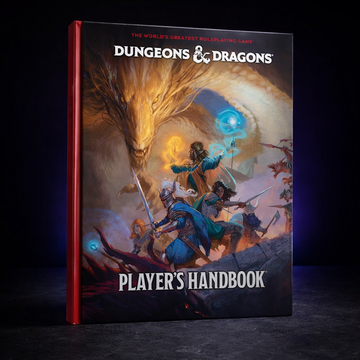
The 2024 revision of the core rules refined and renamed inspiration to make it clearer and easier to use. In the 2024 Player's Handbook, the mechanic is called heroic inspiration, and the wording tightens up a few rough edges from the original.
What Changed
The biggest quality of life change is how you spend it. In the 2024 rules, when you have heroic inspiration, you can spend it to reroll any die immediately after rolling, and you must use the new roll. This is a subtle but meaningful shift. Instead of declaring advantage before the roll, you can now react to a bad result and reroll it. That makes heroic inspiration feel more like a genuine save your bacon button.
The 2024 rules also make it easier to gain heroic inspiration through class features and species traits. Some backgrounds and abilities now grant it under specific conditions, so it shows up more often in normal play. The core idea, a single reusable reward for good play, stays exactly the same. It is still binary, and you still cannot stack it.
Which Version Should You Use?
If your table plays with the 2024 books, use heroic inspiration and the reroll mechanic. If you are still on the original 5e rules, use the advantage version. Both are valid, and many groups mix and match. The important thing is that everyone at the table agrees on which version is in play so there is no confusion mid game.
Popular House Rules for Inspiration

Inspiration is one of the most house ruled parts of D&D because the base rules leave a lot of room for tables to make it their own. Here are some of the most popular variations you might encounter or want to try.
Passing Inspiration to Another Player
A beloved house rule allows a player who has inspiration to give it to another player at the table instead of using it themselves. This encourages generosity and teamwork. If your rogue has inspiration but the wizard is about to make the roll that decides the battle, you can hand it over so it lands where it matters most. Some tables even build a small culture around this, celebrating the player who gives away their inspiration at the perfect moment.
Physical Inspiration Tokens
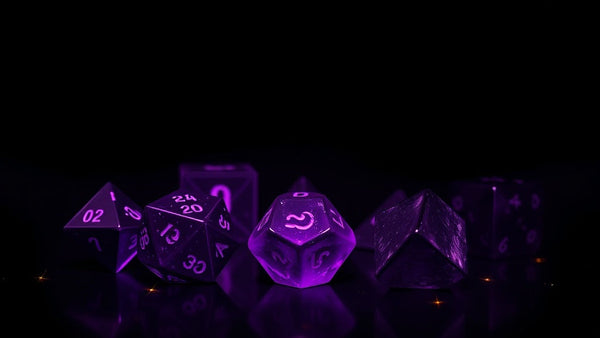
Many tables use physical tokens to track inspiration because it makes the resource visible and easy to remember. A poker chip, a special coin, a small gem, or even a spare die placed in front of a player is a common approach. When you have the token, you have inspiration. When you spend it, you hand the token back to the DM. The tactile reminder solves the single biggest problem with inspiration, which is that everyone forgets they have it. If you love collecting shiny things for the table, a stray die from one of your dice sets makes a perfect inspiration token.
Multiple Inspiration or Stacking
Some DMs discard the binary rule and let players hold more than one inspiration at a time. This can raise the ceiling on how much the reward matters, but it also risks players hoarding a big pile of advantages for a boss fight. If you try this, cap it at two or three so it does not spiral out of control.
Group Inspiration
Another variant grants inspiration to the whole party at once for a great collective moment, like solving a hard puzzle together or pulling off a daring escape. This rewards teamwork and keeps everyone engaged, though it does make inspiration flow much faster, so use it deliberately.
Advice for Dungeon Masters: When to Give Inspiration
If you are running the game, inspiration is one of your best tools for shaping the table you want. The trick is to actually use it, and to use it consistently. Here is how to get the most out of it as a DM.
Give It Out Generously
New DMs often forget inspiration exists or hoard it as if it were a rare treasure. Do not. Inspiration costs you nothing and rewards the exact behavior that makes your game fun to run. Aim to hand out inspiration a few times per session. If a player makes you smile, surprises you, or dives into their character, reach for it.
Reward the Behavior You Want to See
Inspiration is a feedback loop. Whatever you reward, you get more of. If you want more roleplay, reward roleplay. If you want players to lean into their flaws, reward that. If you want a quieter player to speak up, reward them the moment they do. Over a few sessions, your table will naturally drift toward the kind of play you celebrate.
Be Consistent and Clear
Tell your players early how you like to grant inspiration so they know what to aim for. Being consistent matters more than being generous. If you reward one player for a flaw and ignore another player doing the same thing, it feels unfair. Keep a mental list of triggers and apply them evenly across the table.
Announce It Out Loud
When you grant inspiration, say why. A quick that was a great character moment, take inspiration does two things. It makes the reward feel earned, and it teaches the whole table what earns inspiration. Silent inspiration is invisible inspiration, and invisible rewards do not shape behavior.
Advice for Players: When to Spend Inspiration
As a player, inspiration is your personal clutch button, and using it well takes a little discipline. Here is how to make the most of it.
Read the Room Before You Roll
Pay attention to the stakes of each roll before you commit inspiration. A routine check with no consequences is not worth it. A do or die saving throw against a dragon breath is exactly what inspiration is for. Ask yourself how much this roll matters and how bad failure would be, then decide.
Do Not Be Afraid to Use It
The most common player mistake is treating inspiration like a precious resource that must be saved for the perfect moment. That perfect moment often never comes, and the inspiration is wasted. Since it does not stack, an unspent inspiration is dead weight. Use it, earn another, and keep the loop going.
Play to Your Character
The best way to have inspiration when you need it is to keep earning it, and the best way to earn it is to play your character with commitment. Reference your traits and flaws, make choices that fit your story, and let the roleplay flow. Inspiration is a reward for playing the way the game is meant to be played, so the more you invest in your character, the more the mechanic rewards you.
Frequently Asked Questions
Can you have more than one inspiration in D&D 5e?
No. In the standard 5e and 2024 rules, inspiration is binary. You either have it or you do not, and it does not stack. If you are granted inspiration while you already have it, nothing changes. Some tables use house rules to allow multiple inspiration, but that is not the default.
What does inspiration do in D&D?
In standard 5e, spending inspiration gives you advantage on one attack roll, saving throw, or ability check, meaning you roll two dice and take the higher. In the 2024 heroic inspiration rules, you spend it to reroll a die and take the new result. Either way, it is a powerful single use boost.
How do you earn inspiration?
Your DM grants inspiration for good roleplay, acting on your personality traits, ideals, bonds, and flaws, making heroic or selfless decisions, or otherwise making the game more fun. There is no dice roll to earn it. It is entirely at the DM's discretion.
Can I give my inspiration to another player?
Not by the default rules, but it is a very popular house rule. Many tables allow you to pass your inspiration to another player who needs it more. Ask your DM whether this is allowed at your table.
Does inspiration expire?
No, inspiration does not expire by the rules. You keep it until you spend it. However, since it does not stack, holding it too long is wasteful, so most players aim to use it within the same session they earn it.
Can I use inspiration after I see the roll?
In standard 5e, no. You must decide to spend inspiration for advantage before you roll. In the 2024 heroic inspiration rules, yes. You can reroll a die immediately after seeing a bad result and must take the new roll.
Is inspiration the same as bardic inspiration?
No, these are two different things. Inspiration is the narrative reward covered in this guide. Bardic inspiration is a separate class feature that a bard grants to allies, giving them a bonus die to add to a roll. They share a name but work in completely different ways.
Bring Inspiration to Life at Your Table
Inspiration is a small rule with a big payoff. It rewards the roleplay that makes D&D unforgettable, and it gives you a clutch resource for the moments that matter most. Whether you are a DM handing it out to shape a livelier table or a player cashing it in to survive a deadly saving throw, inspiration deserves a spot in every session. Use physical tokens to remember it, spend it boldly, and keep the loop of great play spinning. Your table will be better for it, and so will your dice rolls.