If you play Magic: The Gathering, Pokemon, or Lorcana long enough, you eventually run into a card you never want to see scuffed, whitened, or bent. That is where double sleeving comes in. Double sleeving is the practice of putting a card inside two sleeves instead of one: a tight inner sleeve that hugs the card, and a standard outer sleeve that goes over the top. Done right, double sleeving gives your most valuable and most played cards a level of protection that a single sleeve simply cannot match. In this guide you will learn exactly what double sleeving is, when it is worth the extra time and money, and how to do it cleanly without trapping dust or moisture between the layers.
What Is Double Sleeving?
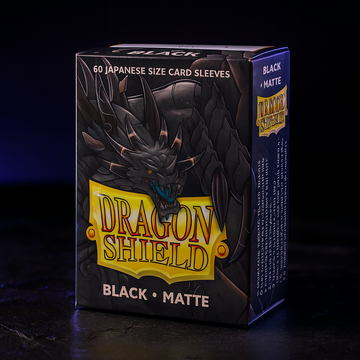
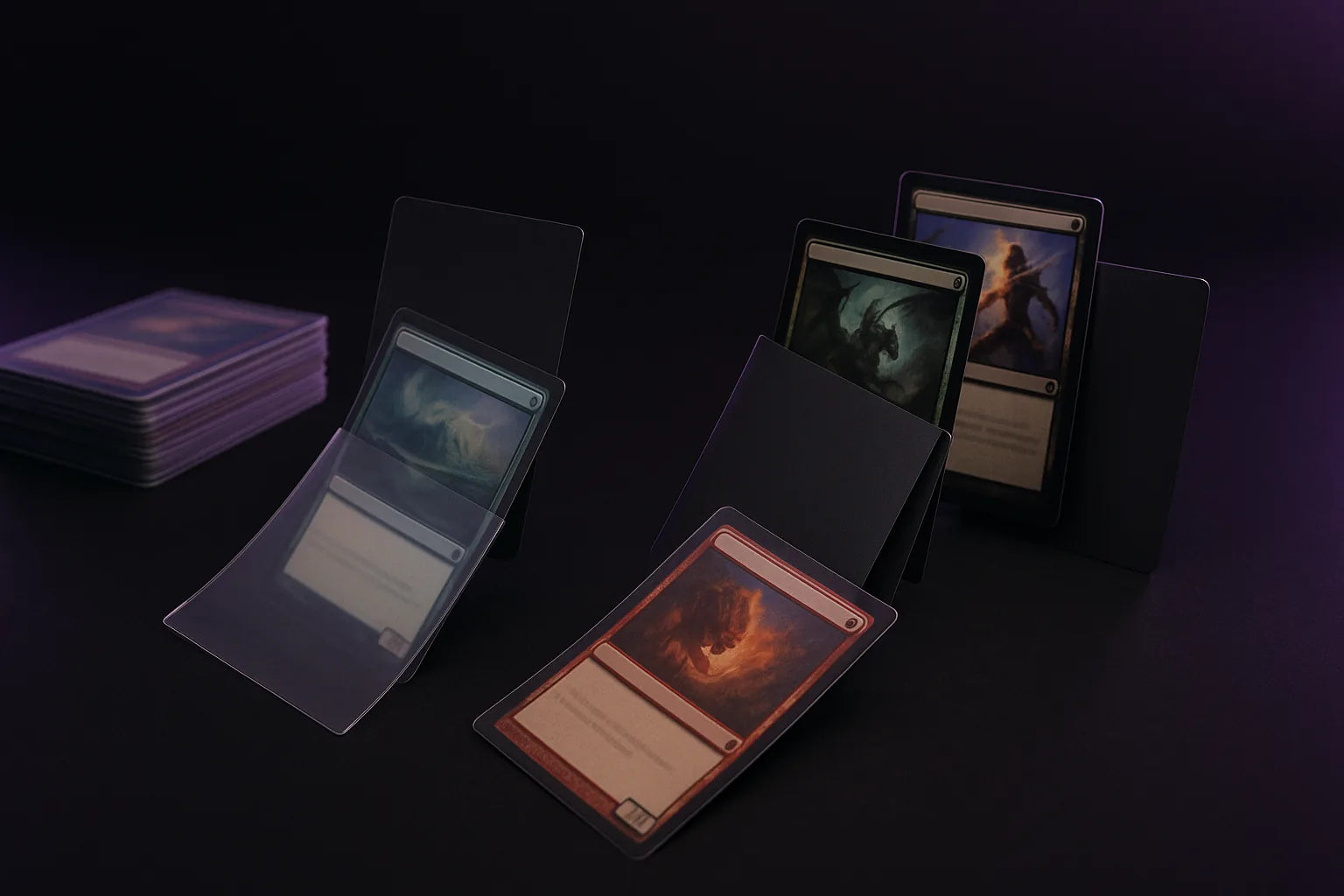
Double sleeving means using two sleeves per card. The first layer is an inner sleeve, usually a snug perfect fit sleeve made of thin clear polypropylene. It is sized so tightly that the card barely moves inside it, sealing the card surface away from air and handling. The second layer is a standard outer sleeve, often a matte deck sleeve with a printed or colored back. The inner sleeve protects the card face and edges, while the outer sleeve absorbs the wear from shuffling, tapping, and repeated pickups. The combination is stronger, stiffer, and far more resistant to bending than a single sleeve on its own.
People new to the hobby sometimes assume double sleeving is overkill, but the logic is simple. A single sleeve leaves one open edge where dust and moisture can creep in over months of play. When you flip the inner sleeve so its opening faces a different direction than the outer sleeve, you effectively seal the card from every side. That sealed pocket is the core benefit of the technique.
When You Should Double Sleeve Cards

Double sleeving is not something you need to do for every card in every deck. It costs more, adds thickness, and takes time. The trick is knowing when the payoff is worth it. Here are the situations where double sleeving genuinely earns its place.
Expensive singles. If a card is worth serious money, the extra protection pays for itself the first time it survives a spill or a rough shuffle. Chase rares, alternate art cards, foils, and reserved list staples are prime candidates. The cost of two sleeves is trivial compared to the value you are protecting.
Tournament decks. Competitive play means constant shuffling, cutting, and handling by opponents and judges. That volume of contact wears sleeves out fast and puts your cards at real risk of whitening on the edges. A double sleeved deck holds up over a long day of rounds and keeps your cards looking pristine for the next event.
Foils that curve. Foil cards famously bow and warp because of the metallic layer reacting to humidity. A tight inner sleeve plus a firm outer sleeve helps flatten and stabilize a curved foil, which also makes it far harder for an opponent to identify from the back of your deck.
Sentimental or hard to replace cards. Some cards are not the priciest on paper but matter to you: a signed card, a promo from an event you attended, or a card from your first ever deck. Those deserve the same care as the expensive ones.
On the flip side, you probably do not need double sleeving for bulk commons, casual kitchen table decks you rebuild constantly, or cards you are about to trade away. For those, a single quality sleeve is plenty.
What You Need Before You Start
Before you begin double sleeving, gather your materials and set up a clean workspace. You will need inner perfect fit sleeves, standard outer sleeves in the size and finish you prefer, a soft clean cloth, and good lighting so you can spot dust. Work on a flat table that has been wiped down, and make sure your hands are clean and dry. A little preparation here saves you from sealing a speck of dust or a fingerprint inside the card, which is almost impossible to fix once the second sleeve is on.
Choose your inner sleeves carefully. Perfect fit sleeves come in two loading styles: side load and top load. The opening is on the side of one and the top of the other. The style you pick changes how you orient the card, which we will cover in the next section.
How to Double Sleeve Cards Step by Step

Here is the clean, repeatable method for double sleeving a card the right way. Follow the order carefully, because the direction of each sleeve is what actually seals the card.
- Wipe your work surface and clean your hands. Any dust on the table can end up trapped between your sleeves.
- Inspect the card under good light. Blow off or gently wipe away any dust or lint from both faces before it goes anywhere near a sleeve.
- Slide the card into the inner perfect fit sleeve. Insert it slowly and squeeze the air out as you go so no bubble forms behind the card.
- Trim only if needed. Most perfect fit sleeves fit inside a standard sleeve without trimming, so skip this unless your specific brand requires it.
- Flip the inner sleeved card so its opening will point the opposite way to the outer sleeve. This is the key step: the two openings should face different directions so no single edge is open to the outside.
- Insert the whole thing into the outer sleeve, opening first, and push it down until it seats fully in the corner.
- Press out any trapped air by running a clean finger from the sealed edge toward the opening.
- Hold the finished card up to the light and check for dust, bubbles, or fingerprints between the layers. If you see anything, take it apart and redo it now while it is easy.
Once you have done a handful, you will settle into a rhythm and each card takes only a few seconds.
Side Load Versus Top Load Inner Sleeves
The direction of your inner sleeve matters more than beginners expect. With a side load inner sleeve, the opening is on the side, so when you slide the sleeved card into a top loading outer sleeve, the two openings sit at ninety degrees to each other. That is the most common and most secure setup, because nothing lines up to let debris slip straight through.
With a top load inner sleeve, the opening is at the top. To seal it properly you flip the inner sleeved card upside down before inserting it into the outer sleeve, so the inner opening ends up at the bottom while the outer opening stays at the top. Both approaches work. The rule to remember is simple: the two openings must never face the same direction. If they do, you have left a straight path for dust and moisture, and you have lost half the benefit of double sleeving.
Avoiding Dust, Moisture, and Bubbles

The whole point of double sleeving is to seal the card, so it defeats the purpose if you trap contaminants inside. Dust is the most common problem. It shows up as tiny specks between the layers that catch the light, and once sealed it is there until you fully unsleeve the card. Always inspect and clean the card immediately before the inner sleeve goes on.
Moisture is the quieter threat. Humidity can slip into a sleeve over time and, in a sealed double sleeve, it may sit against the card longer than you would like. Store your double sleeved cards in a stable, dry environment, keep them away from windows and radiators, and consider a small desiccant pack in your storage box if you live somewhere humid. Air bubbles behind the card are mostly cosmetic, but a large bubble can let a card shift and rub. Squeeze the air out during insertion and you will avoid them entirely.
Deck Box Size, Storage, and Maintenance
Double sleeving roughly doubles the thickness of every card, so a sixty card deck becomes noticeably bulkier. Plan for this before you build. A standard deck box sized for single sleeved cards will not close over a double sleeved deck, so you need a larger deck box rated for double sleeved cards or one designed with the extra depth in mind. Cramming a double sleeved deck into a box that is too small bends the cards, which is exactly what you were trying to prevent.
For long term storage, the same logic applies to binders and boxes. Use pages and containers with enough room that cards are not under constant pressure. Check your sleeves periodically, especially the outer layer, since that is the one taking the wear. When an outer sleeve splits or clouds, replace just that layer and leave the inner sleeve in place. That is one of the underrated perks of double sleeving: you can refresh the outside without ever exposing the card face again.
Common Double Sleeving Mistakes to Avoid
A few mistakes come up again and again, and all of them are easy to sidestep once you know about them. The first is lining up both sleeve openings the same way, which leaves an open channel and cancels out the seal. The second is skipping the dust check and permanently trapping specks against the card. The third is buying inner sleeves that are too loose, so the card slides around and the tight fit that gives double sleeving its rigidity is lost. The fourth is forcing a double sleeved deck into an undersized box and bending everything you set out to protect. The last is double sleeving cards that never needed it, which wastes sleeves and money you could spend protecting the cards that actually matter.
Avoid those five and your results will look clean every time.
Final Thoughts on Double Sleeving
Double sleeving is one of the simplest, most effective habits you can build as a serious trading card player or collector. It is not for every card, but for your expensive singles, your tournament decks, your warping foils, and the cards that mean something to you, the extra sleeve is well worth it. Get the technique right, mind the direction of your inner sleeve, keep dust and moisture out, and give your deck a box that fits, and your cards will stay crisp through countless games and years of storage. Master double sleeving once and it becomes second nature, quietly protecting the collection you have worked hard to build.