Your class is the heart of your Dungeons & Dragons character, it determines your powers, your role in the party, and how you will spend your turns. With a dozen core classes to choose from, picking one can feel daunting. This guide explains every class in plain language and helps you find the one that matches how you want to play, whether that is smashing foes, slinging spells, or talking your way out of trouble. We will group the twelve classes by role, explain subclasses and party balance, and finish with a simple recommendation if you just want to start playing without agonising over the choice.
How to choose a class
Before the details, ask yourself one question: what do you want to do at the table? Do you want to be tough and deal melee damage, command powerful magic, support your friends, or be the skillful problem-solver? Your answer points you toward a class. Beginners often enjoy simpler classes (Fighter, Rogue, Barbarian) that are powerful without a long spell list, but there is no wrong choice, only the one that sounds the most fun to you.
The martial classes

These classes rely on weapons, grit and tactics rather than magic.
- Fighter, the ultimate weapon master. Tough, versatile and beginner-friendly, fighters excel at dealing reliable damage and taking hits. A fantastic first class.
- Barbarian, the raging warrior. Barbarians soak up enormous punishment and hit like a freight train, perfect if you love being in the thick of the fight.
- Rogue, the cunning specialist. Masters of stealth, traps and devastating sneak attacks, rogues shine outside combat too with unmatched skills.
- Monk, the martial artist. Fast, mobile and able to strike multiple times a turn with fists and ki-fuelled abilities.
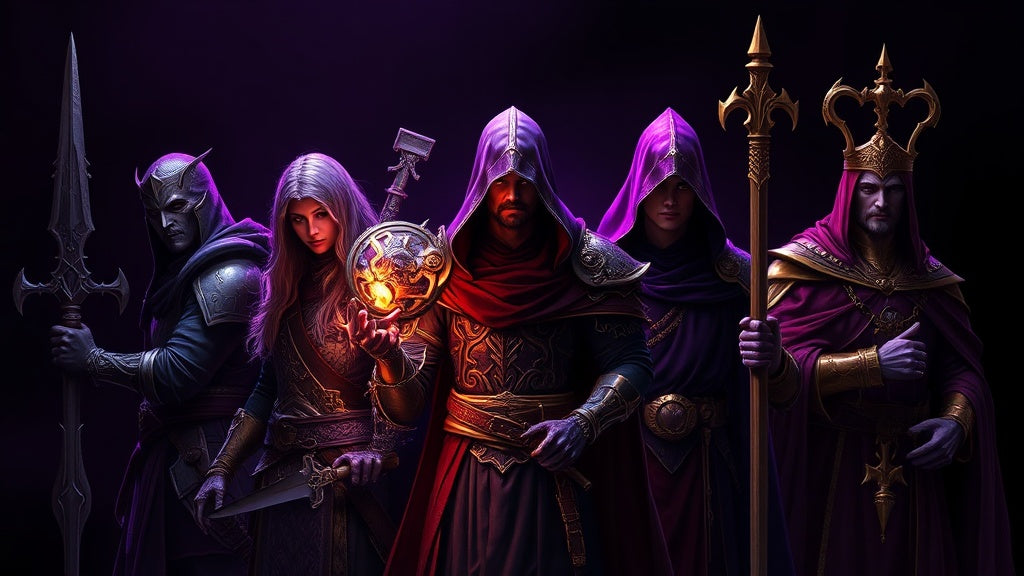
The spellcasting classes
These classes wield magic as their primary tool.
- Wizard, the scholarly mage with the largest spell list in the game. Fragile but immensely powerful and flexible, wizards reward clever play.
- Sorcerer, innate magic flowing through their blood. Fewer spells than a wizard, but able to bend and amplify them in spectacular ways.
- Warlock, power granted by an otherworldly patron. A unique caster with a signature blast spell and eerie, flavourful abilities.
- Druid, the keeper of nature who can shapeshift into animals and command the elements. Endlessly versatile.
The hybrid and support classes

These classes blend combat, magic and support.
- Cleric, the divine healer and holy warrior. Clerics keep the party alive while holding their own in a fight, a rewarding and powerful pick.
- Paladin, the oath-bound knight. Part warrior, part healer, paladins deliver devastating "smite" attacks and inspire their allies.
- Ranger, the wilderness hunter. Skilled trackers and skirmishers who blend weapon prowess with a touch of nature magic.
- Bard, the charismatic performer. Jacks-of-all-trades who buff allies, cast a wide range of spells and excel in social scenes.
Matching your class to your dice
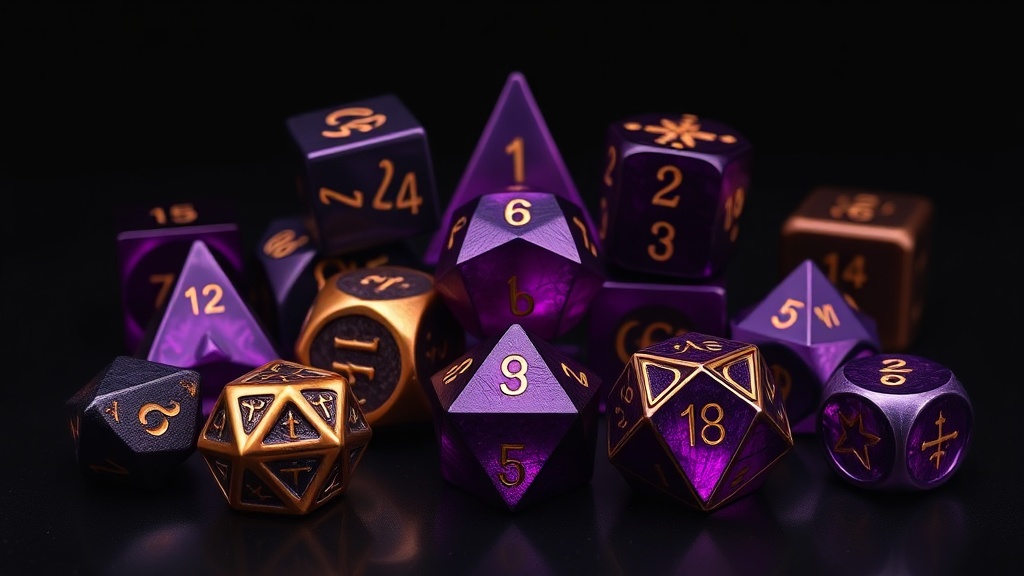
Half the fun of settling on a class is choosing dice that fit. Arcane purples suit a wizard, smoky blacks a rogue, radiant gold a paladin, blood reds a barbarian. We pair every class with a colourway and material in our guide to the best dice colours for every class, a great next read once you have picked your hero. A set that matches your character makes every roll feel like roleplay.
Spellcasters vs martials: which suits you?

One of the biggest forks in the road is whether you want to cast spells or master weapons. Martial classes (Fighter, Barbarian, Rogue, Monk) are generally easier to run: your options each turn are clear, your bookkeeping is light, and you reliably do your job, deal damage, soak hits, or use skills. They are ideal for newcomers and for anyone who prefers decisive, tactical play. Spellcasters (Wizard, Sorcerer, Warlock, Druid, plus the hybrid Cleric, Paladin, Ranger and Bard) trade simplicity for flexibility and spectacle: they can heal, control the battlefield, solve problems creatively and unleash dramatic effects, but they ask you to manage spell slots and a growing list of options. Neither is better, it comes down to taste. If you love analysing a toolbox of possibilities, play a caster. If you want to step in and act without flipping through a spell list, play a martial. And if you want a bit of both, the half-casters like the Paladin and Ranger are a satisfying middle ground.
Understanding subclasses
Every class branches into subclasses, specialisations you choose as you level up that dramatically change how your character plays. A Fighter might become a precise Battle Master, an arcane Eldritch Knight, or a relentless Champion. A Wizard might focus on destructive Evocation or manipulative Enchantment. A Cleric chooses a divine domain that shapes their spells and abilities. This is where two characters of the same class can feel completely different, and it is one of the things that gives D&D such depth. As a beginner you do not need to master every subclass; just know that your class is a starting point, and your subclass lets you carve out a unique identity within it. Read your chosen class's subclass options and pick the one whose flavour and abilities excite you most.
Building a balanced party
D&D is a team game, and the most successful groups cover a few key roles between them. A classic balanced party includes a tank or frontline fighter to absorb damage (Fighter, Barbarian, Paladin), a healer or support to keep everyone standing (Cleric, Druid, Bard), a damage dealer to end fights quickly (Wizard, Sorcerer, Rogue, Warlock), and a skill specialist to handle traps, locks and social encounters (Rogue, Bard, Ranger). You do not need one of every class, and doubling up is fine, but if your group is forming together it is worth a quick chat so you are not all playing fragile wizards with no one to heal. If you are joining an existing party, ask what roles they are missing and consider filling a gap, it makes you instantly valuable and helps the whole table shine.
Can you change class or multiclass?
Worried about committing to the wrong class? Relax, nothing is permanent. Most groups are perfectly happy for a new player to retire a character they are not enjoying and roll up a fresh one, especially early in a campaign. Beyond that, D&D offers an optional rule called multiclassing, where you take levels in a second class as your character grows, blending abilities for a custom hero (a Fighter who dips into Wizard for a few spells, say). Multiclassing is powerful but adds complexity, so most veterans suggest learning a single class thoroughly for your first campaign before experimenting. The takeaway: do not let fear of "wasting" a choice paralyse you. Pick the class that excites you now, play it, and if your tastes change, the game gives you plenty of room to evolve. Half the fun is discovering what kind of hero you love to play.
Class and roleplay: more than mechanics
It is easy to choose a class purely for its abilities, but the most memorable characters lean into the story their class suggests. A Paladin wrestling with a sacred oath, a Warlock who made a dangerous bargain, a Bard chasing fame, a Druid torn between civilisation and the wild, these themes give you something to roleplay every session, not just numbers to add to a d20. When you pick a class, spend a moment imagining why your character walks that path. That single question turns a build into a person, and it is what separates a forgettable character from one your group talks about for years.
Still unsure? Start simple
If you cannot decide, default to a Fighter or Rogue. Both are powerful, easy to learn and forgiving for a first campaign, and they let you focus on learning the game rather than juggling spell lists. You can always try a spellcaster for your next character once you are comfortable. Many players end up with a small stable of characters across different classes, that is part of the fun.
Frequently asked questions
What is the best D&D class for beginners? The Fighter is the classic recommendation, tough, flexible and simple, with the Rogue and Barbarian close behind.
What is the most powerful class? Power depends on level, build and table, but wizards, clerics and paladins are often cited as especially strong. Synergy with your party matters more than any single pick.
Which class is easiest to play? Martial classes like the Fighter and Barbarian have the lightest bookkeeping, making them the easiest to learn.
Can I change class later? You generally pick a class at creation, but multiclassing (adding levels in a second class) is an optional rule you can explore as you grow.
Whatever you choose, remember that the "best" class is simply the one you are most excited to play, that enthusiasm will carry you through your first campaign and beyond. Found your class? Now match it with the perfect set, browse the full armoury and find dice worthy of your hero. Gear up. Roll to win.